

Setting Up Your First Mafia Game Night
Everything you need to organize a game for 8-15 players, from choosing roles to managing the day-night cycle without losing control.
Read MoreQuestions that aren’t too easy or impossible. We cover difficulty scaling, team formats, and scoring systems that keep the tension high without feeling unfair.

Running trivia for adults is fundamentally different from hosting a pub quiz. You’re working with people who’ve accumulated decades of knowledge across wildly different fields. They’ve watched documentaries, read books, attended lectures, and picked up random facts at dinner parties. That’s great — but it also means you can’t just pull questions from a standard quiz database and expect success.
The real challenge isn’t finding hard questions. It’s finding questions that are hard enough to feel rewarding when someone gets them right, but not so obscure that three teams get zero points on a round. You’re aiming for that sweet spot where the room feels engaged, competitive, and — this is crucial — not frustrated or bored.

We’ve tested this across dozens of events, and the structure that works consistently is splitting your questions into three distinct difficulty levels within each round. Don’t mix them randomly — group them by tier.
Tier 1 (Warm-up): 30% of questions should be questions most adults with general knowledge can answer. Think movie awards, famous historical events, well-known book authors. These get the room comfortable and build early confidence.
Tier 2 (Main): 50% of questions are your core difficulty. These require some specific knowledge or require connecting multiple pieces of information. A person might know the answer from a hobby, previous career, or genuine interest. Most of your game lives here.
Tier 3 (Challenge): 20% of questions are the ones where guessing educated is the best most teams can do. These shouldn’t require obscure knowledge that only an expert has — instead, they should require deep familiarity with a niche topic that someone in the room probably cares about.
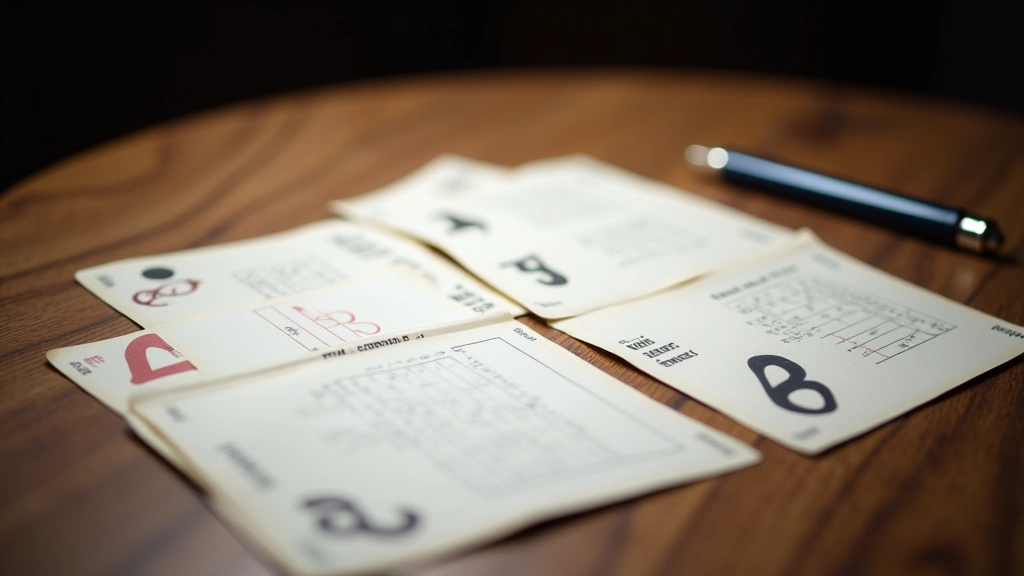
The best team size for adult trivia is 3-5 people. Here’s why: groups smaller than three tend to fall apart when someone doesn’t know an answer — there’s less collective knowledge to draw from. Groups larger than five start having the opposite problem. You get side conversations, people checking their phones, and three people discussing while two sit quiet.
The magic happens in that 3-5 range because it forces discussion without creating dead time. Everyone has a voice. If someone knows something, they speak up. If nobody knows, you’ve got 3-4 educated guesses happening simultaneously, and you pick the strongest one together.
Here’s a detail that matters: intentionally mix your teams. Don’t let the trivia nerds cluster together. Pair someone who reads historical fiction with someone who watches sports documentaries with someone who works in tech. The knowledge diversity actually improves performance on harder questions because you’ve got different reference points.

Standard point-per-correct-answer scoring works, but it doesn’t always create dramatic finishes. After testing different systems, we’ve found that weighted scoring — where harder questions are worth more points — keeps competitions genuinely tight.
A simple framework: Tier 1 questions = 1 point, Tier 2 = 2 points, Tier 3 = 3 points. This means a team can’t coast on getting all the easy questions right. They need to take risks on harder ones to win. It’s psychologically different because suddenly that third-tier question becomes strategic, not just a “nice to have.”
Don’t overthink it beyond that. Bonus points for speed, deductions for wrong answers, multipliers for specific rounds — these sound clever but they create argument opportunities and slow the game down. Keep scoring transparent and simple. Everyone should understand the score at any moment without mental math.

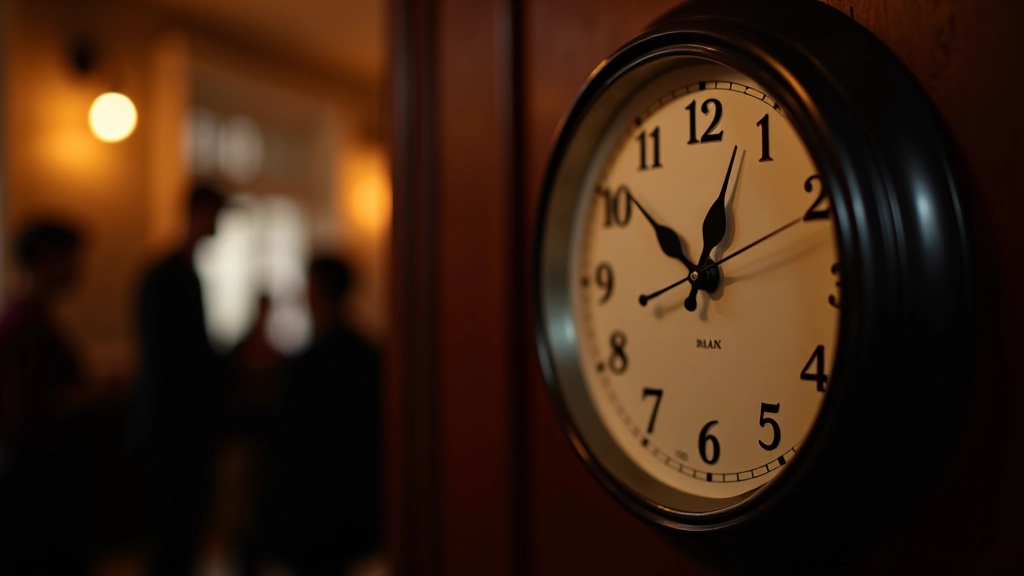
Here’s what we’ve learned: the gap between reading a question and closing the answer window shouldn’t vary too much. If you give 45 seconds for one question and 15 for the next, teams get frustrated. They don’t know if they should overthink or rush.
Set a consistent answer window. 30 seconds works for most formats. Some questions people’ll know in 5 seconds. Others they’ll use all 30 to debate. That’s fine — the clock running down creates natural tension, and the final-second changes of mind are often the most memorable moments.
If you’re running a multi-round competition (8-10 rounds is ideal for a 2-3 hour event), build in small breaks between rounds. 2-3 minutes where people can grab drinks, chat, recalibrate. It prevents mental fatigue and actually improves performance in later rounds because people aren’t exhausted.
Designing trivia that actually works for adults comes down to understanding your audience isn’t looking for impossible questions or questions they’ll all ace. They’re looking for competition that feels fair, moments where they’re surprised by what they know, and tension that builds without frustration.
Start with the three-tier structure. Mix your teams intentionally. Use weighted scoring. Keep pacing consistent. And most importantly — test your questions on a small group before running the full event. You’ll catch questions that are either too obscure or too obvious, and you’ll refine the difficulty balance in real-time.
The difference between a forgettable trivia night and one people actually talk about afterward isn’t the questions themselves. It’s whether people felt like they had a real shot at winning and whether they learned something unexpected about the people on their team.

This article shares methods and frameworks we’ve tested through organizing mystery events and trivia competitions in the Czech Republic. The recommendations are based on practical experience and feedback from hundreds of participants. Results may vary depending on your specific group, venue, and event goals. We encourage you to adapt these approaches to your unique situation and always prioritize creating an inclusive, enjoyable experience for all participants.