

Setting Up Your First Mafia Game Night
Everything you need to organize a game for 8-15 players, from choosing roles to managing the discussion rounds.
Read MoreCombines fine dining with murder mystery. We break down the timing, character assignments, and how to keep the narrative moving through courses.

You’re hosting something that’s part dinner party, part theater production, part puzzle. It’s not a game that happens to have food — it’s an experience where the meal itself becomes part of the story. We’ve seen plenty of mystery events go sideways when the pacing falls apart or guests get lost in confusing character assignments. The difference between a memorable evening and one people forget? Preparation and structure.
We’re talking about a 2-3 hour event where timing matters. The appetizer course is when everyone meets their character. By the main course, clues are circulating. Dessert is when accusations fly and the culprit gets revealed. Everything builds intentionally — not randomly.
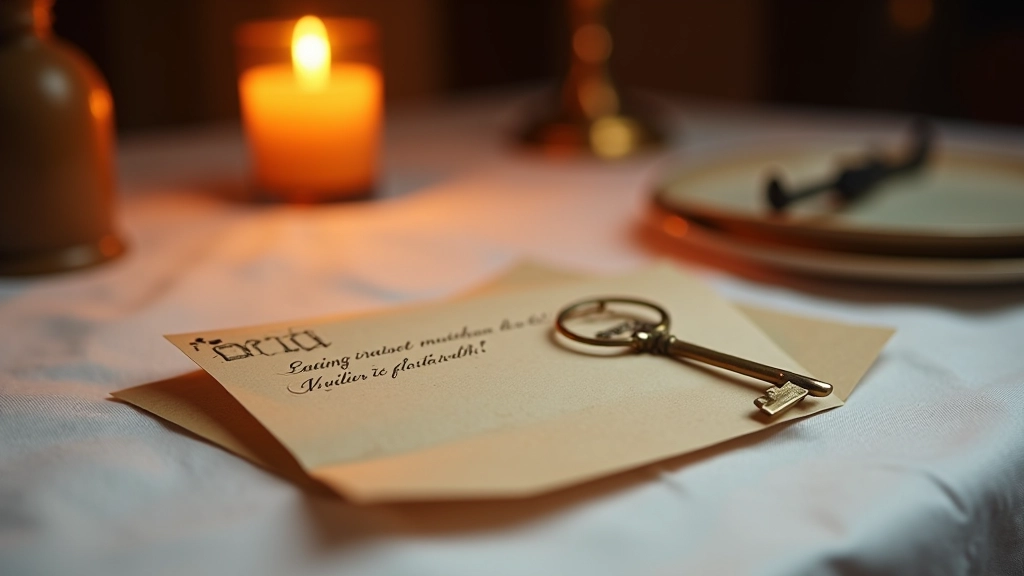
Most people try to cram everything into 90 minutes and it falls apart. You’ll want at least 2.5 hours for a proper whodunit dinner. Here’s what the rhythm looks like:
Guests arrive, you hand them their character card with background story, motivations, and secret. They read it while sipping an aperitif. This sets the tone immediately.
The “murder” happens (you announce it dramatically). Guests mingle in character, getting comfortable with their roles. Appetizers keep hands and mouths occupied.
Guests sit for the main course. This is when clues get distributed — usually handed to specific people to share with others. Conversations deepen. Accusations start forming.
Dessert arrives. Tension peaks. Give a 5-minute window for guests to vote on who they think is guilty. Then reveal the truth — and explain why the culprit did it.
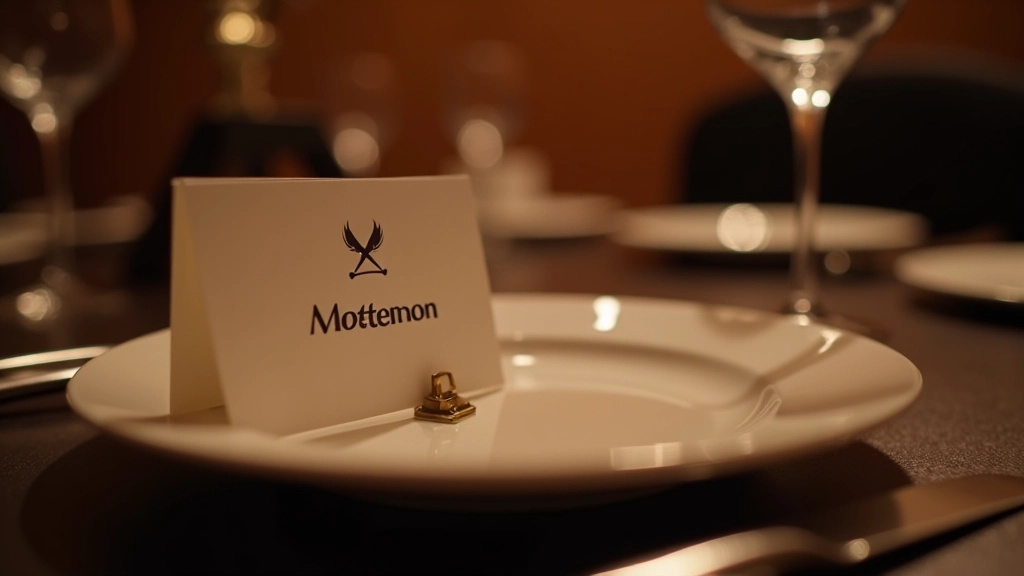
You need 6-10 characters depending on guest count. Each person needs to feel like their role matters — not just “rich uncle #3” but someone with actual stakes in the mystery.
Everyone assumes they’re guilty. They get defensive about everything. Their secret? They were actually planning to leave the victim, not kill them. Creates doubt in people’s minds.
Knew about embezzled funds. Wants to seem innocent but keeps contradicting themselves when questioned. This person should be questioned directly by guests.
Doesn’t know the solution beforehand (unless you want them to). They ask questions and guide the narrative. Great role for someone who’s a bit shy because they get natural authority.
Someone guests wouldn’t suspect at first. Maybe the quiet secretary who had a secret affair. Reveal this person late in the evening for maximum impact and gasps.
The key: Everyone should have at least one secret that’s NOT “I’m the murderer.” This keeps people suspicious of each other without being certain. Two guests might fit the profile — that’s the fun part.
Here’s what kills most mystery dinners: one person gets all the clues and solves it alone. Nobody else feels like they contributed. You need to distribute clues strategically so that solving the mystery requires collaboration.
Write clues as cards or small notes. Physical props matter more than you’d think — people pay attention when they’re holding something tangible.

Don’t be shy about announcing the “murder” with flair. Dim the lights, pause conversation, make a declaration. People feed off your energy. If you’re taking it seriously, they will too.
Set phone reminders for when to distribute clues and move to the next course. If people linger on appetizers for 40 minutes, the entire evening gets thrown off. Gentle nudges keep things on track.
Don’t give the culprit role to someone who’s uncomfortable with attention. Pick someone who can keep a secret and actually enjoy the deception. Extroverts work best.
If the real culprit gets revealed too early (someone figures it out at the appetizer stage), don’t panic. Have a second suspect ready to accuse. Pivot smoothly and nobody will notice.
Make a joke about it at the start. “Phones away — this is 1952 and detective work requires actual conversation.” Immersion breaks the moment someone checks Instagram.
You don’t need restaurant-quality cooking. Good appetizers, a solid main, nice dessert. People are focused on the mystery, not rating your technique. That said, mediocre food creates a mediocre experience.
The reveal is your final act. When the culprit is announced, give a brief explanation of why they did it. This isn’t the time for surprises — people need closure. Then step back and let the table erupt in conversation and debate.
You’ve spent 2.5 hours building tension and creating this shared experience. The dessert conversation after the reveal is when people bond over what they figured out, what they missed, and what they’d do differently. That’s the actual success of the evening — not whether they guessed right, but whether they felt like they were part of something engaging.
“The best mystery dinners aren’t about getting the answer right. They’re about the conversations that happen while you’re trying.”
— Event Host Insight
Ready to organize your first whodunit? Start with a clear timeline, assign characters thoughtfully, and distribute clues strategically. The rest flows naturally.

This article provides informational guidance for hosting a whodunit dinner party. Results and experiences will vary based on your group dynamics, preparation, and execution. The suggestions here are based on common practices and host experiences in organizing mystery-themed events. Every group has different comfort levels with role-playing and interactive scenarios — adjust the intensity and content to match your guests’ preferences.