

Setting Up Your First Mafia Game Night
Everything you need to organize a game for 8-15 players, from choosing roles to pacing the rounds so nobody gets bored halfway through.
Read MoreImmersive role-playing experiences, whodunit dinner parties, and interactive storytelling for adults who love a good puzzle
Whether you’re interested in organized Mafia game nights, themed murder mystery dinners, or trivia competitions that test your detective skills, you’ll find detailed guides and event information here. These aren’t casual games — they’re carefully structured experiences designed for mature audiences who want real challenge and genuine fun.
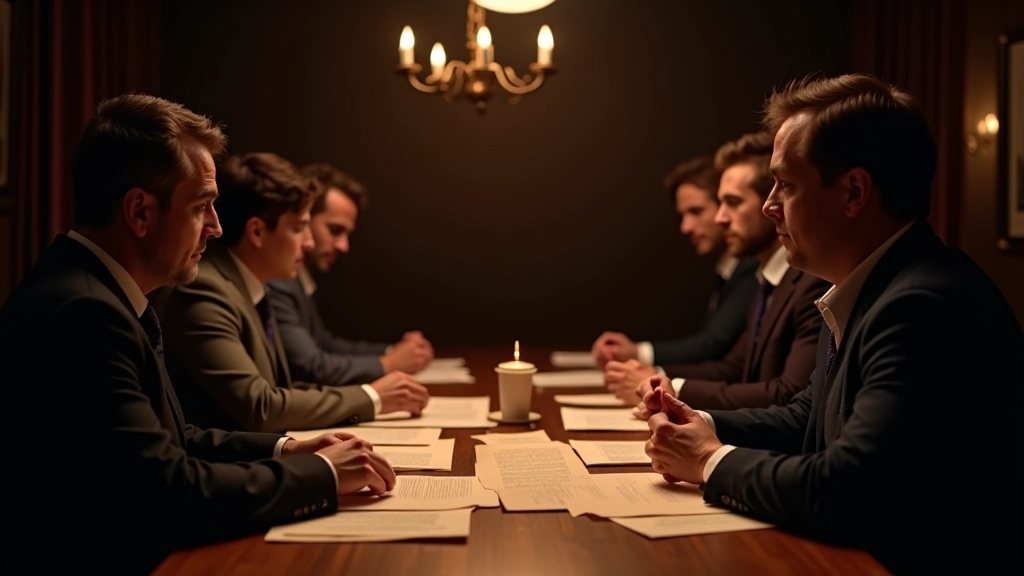
Learn how to organize, host, and play mystery games that’ll keep everyone talking for weeks
Everything you need to organize a game for 8-15 players, from choosing roles to pacing the rounds so nobody gets bored halfway through.
Read More
Combines fine dining with murder mystery. We break down the timing, character assignments, and how to keep the narrative moving through courses.
Read More
Questions that aren’t too easy or impossible. Covers difficulty scaling, team formats, and scoring systems that keep the tension high without feeling unfair.
Read More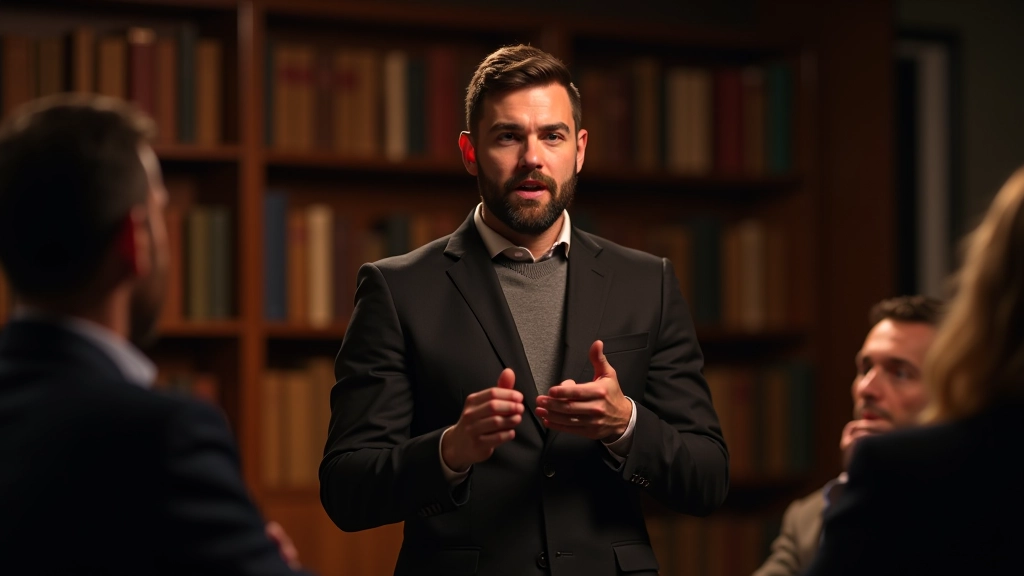
Making narrative-driven events where participants genuinely influence the outcome. Real techniques for improvisation, pacing, and handling unexpected player choices.
Read MoreThe core elements that separate memorable experiences from forgettable gatherings
Every role needs a clear background, motivations, and secrets. Players perform better when they understand who they’re pretending to be. Shallow characters make the whole game feel flat.
Nobody enjoys confusion. Establish game mechanics upfront, set time limits for discussion phases, and move between rounds decisively. Ambiguity kills momentum.
Too few players and the game collapses. Too many and nobody gets meaningful screen time. Sweet spot depends on game type, but 8-20 is usually right.
Players need to believe their choices matter. Include genuine plot twists, hidden clues they can actually find, and outcomes that aren’t predetermined.
Social deduction games where hidden roles eliminate players each round. Simple rules, high engagement, works for any group size. Usually lasts 45 minutes to 2 hours depending on how many people.
Combines a structured meal with role-playing. Characters have assigned clues they reveal between courses. More theatrical than casual games, requires advance preparation and character commitment from guests.
Teams solve puzzles and uncover a narrative to progress. Can be physical spaces or narrative-driven with imaginary locations. Requires puzzle design skill but creates intense focus and cooperation.
Knowledge-based games where teams answer questions to advance a mystery storyline. Works well for larger groups and doesn’t require as much acting ability as role-play events.
Narrative-driven experiences where a storyteller guides players through a branching plot. Players make choices that shape the story. Requires skilled facilitation but creates genuine emotional investment.